
Truck Type Identifier
Types of commercial trucks differ in which federal regulations apply, which companies are involved, and which records exist. Match the vehicle by its features, then see the topics an investigation examines for that type.
Examination Topics by Truck Type
Choose a truck type.
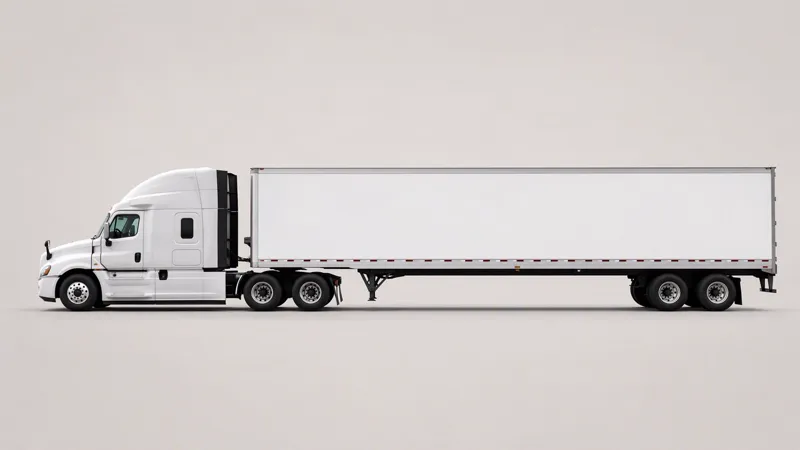
Tractor-Trailer
Identifying Features
- A separate tractor pulling one or more detachable trailers
- A fifth-wheel coupling plate behind the cab
- Often the largest vehicles on the highway
Examination Topics
- Trailer ownership: the trailer and tractor may belong to different companies
- The lease or operating arrangement behind the trip
- Dispatch, qualification, and maintenance records for both units
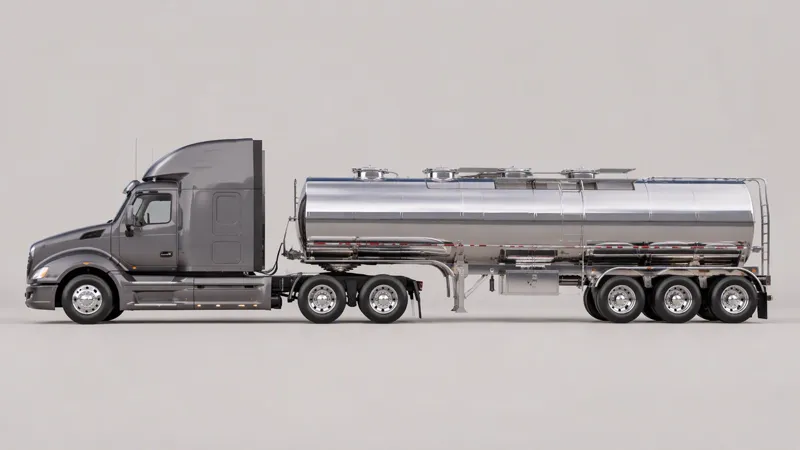
Tanker
Identifying Features
- A rounded cylindrical tank instead of a box trailer
- Hatches on top and valves or hoses at the rear
- May carry liquids or gases, including placarded materials
Examination Topics
- What was being hauled and whether placards were required
- Loading and unloading records for the tank
- Rollover and liquid-surge questions in movement analysis
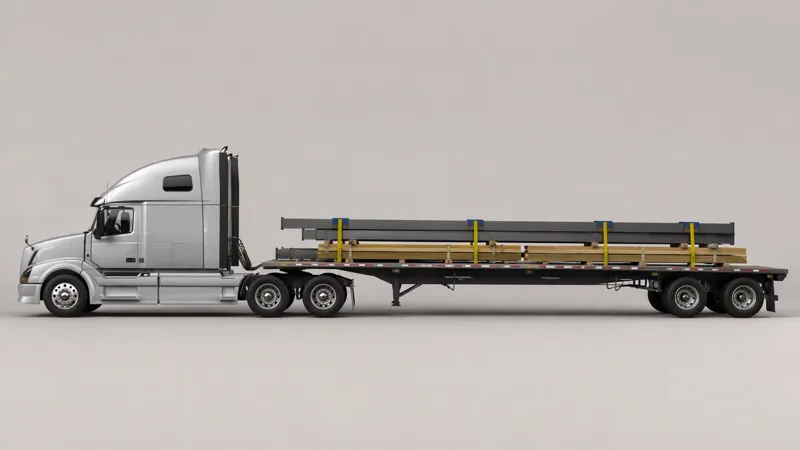
Flatbed
Identifying Features
- An open flat deck with no walls or roof
- Cargo strapped, chained, or tarped on the deck
- Common for steel, lumber, machinery, and building materials
Examination Topics
- Cargo and load configuration: how the load was secured
- Loading records, photographs, and weight documentation
- Who loaded the freight: shipper, driver, or a third party
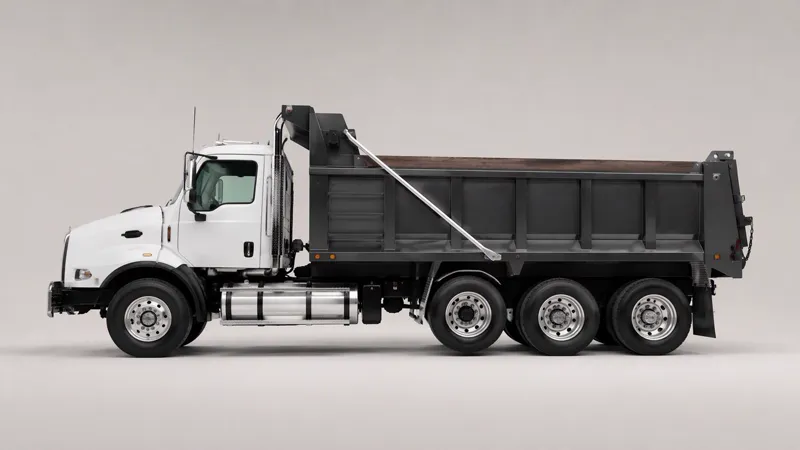
Dump Truck
Identifying Features
- An open-topped bed that tilts to unload
- A single rigid truck, not a tractor-trailer
- Common on construction and paving jobs
Examination Topics
- Whether the work was local or interstate: coverage questions differ
- Weight and load documentation for the trip
- Job-site versus public-road operation
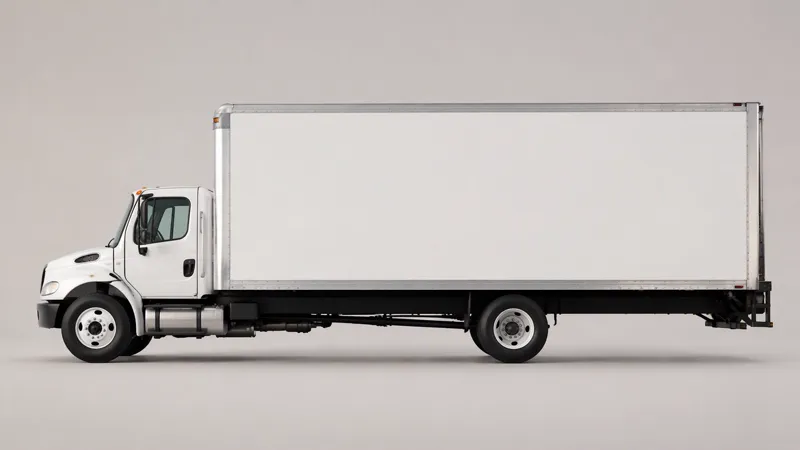
Box Truck
Identifying Features
- A cargo box permanently attached to the cab’s frame
- Common for furniture, appliances, and local delivery
- Also called a straight truck or cube truck
Examination Topics
- Some box trucks fall under federal safety rules and some do not: weight and use decide
- Whether the driver needed a CDL is a separate question from safety-rule coverage
- Rental arrangements may split ownership and operation
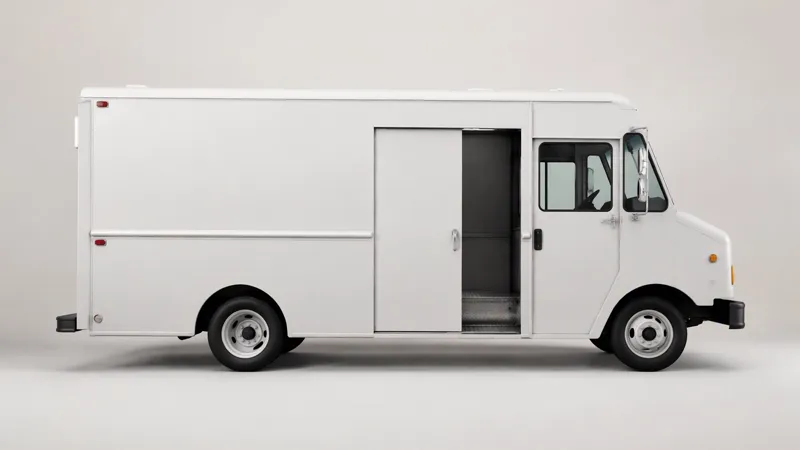
Delivery Van or Step Van
Identifying Features
- A tall walk-in cargo body with a sliding side door
- Familiar from parcel and grocery delivery routes
- The driver may enter and exit dozens of times a day
Examination Topics
- Route and dispatch records showing the day’s stops
- Whether the driver is an employee, contractor, or seasonal hire
- Time-pressure and scheduling evidence
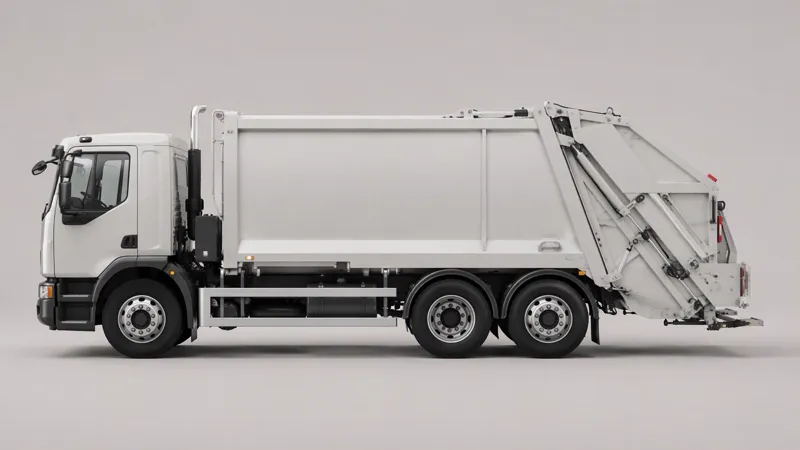
Garbage Truck
Identifying Features
- A large body with a loading hopper at the rear or side
- Frequent stops with workers on foot nearby
- Often operated by a municipality or a contracted hauler
Examination Topics
- Whether the operator was a government entity or a contractor
- Route records and any backing or camera systems
- Different notice and claim rules may apply to government vehicles
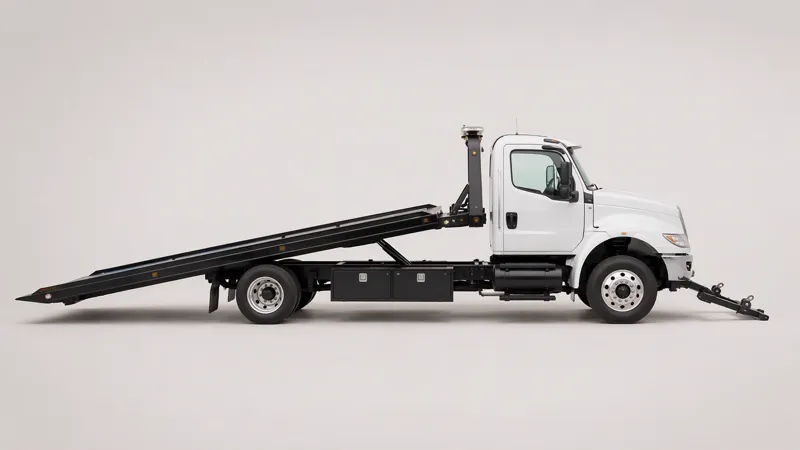
Tow Truck
Identifying Features
- A wheel-lift, hook, or flatbed apparatus for moving vehicles
- Often responds to accident scenes and breakdowns
- May be towing a casualty vehicle when an event occurs
Examination Topics
- Who dispatched the tow and under what rotation or contract
- How the towed vehicle was secured
- Scene documentation before and after vehicles were moved
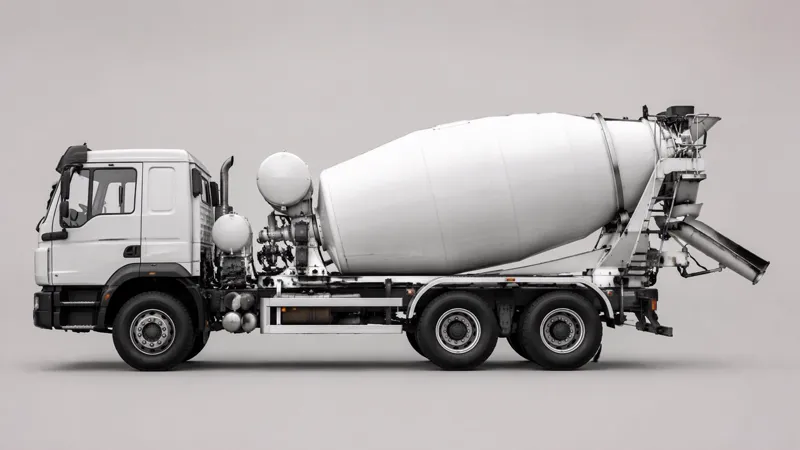
Concrete Mixer
Identifying Features
- A rotating drum mounted behind the cab
- A very high center of gravity when loaded
- Usually on short, time-sensitive routes from plant to site
Examination Topics
- Load weight and drum condition documentation
- Route timing: concrete has a limited working window
- Stability questions on turns and grades
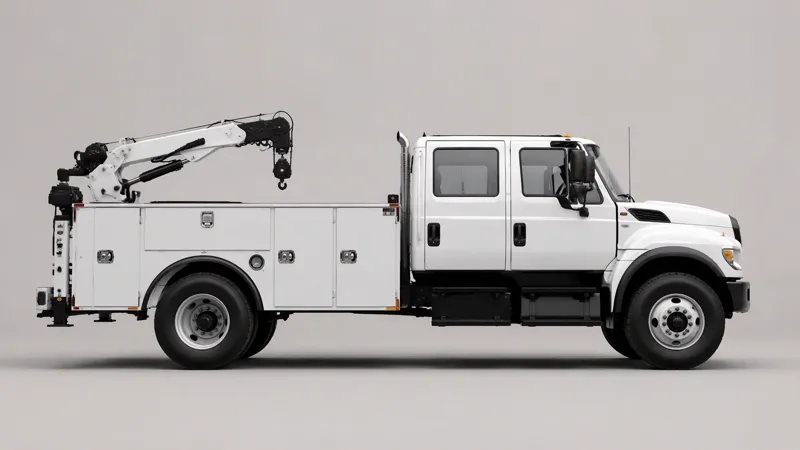
Construction Truck
Identifying Features
- Heavy vocational trucks: cranes, roll-offs, utility bodies
- May travel between job sites on public roads
- Equipment mounted on the truck changes its handling
Examination Topics
- Whether the vehicle was in transport or working at a site
- Contractor relationships: several companies may share a site
- Equipment inspection and maintenance records
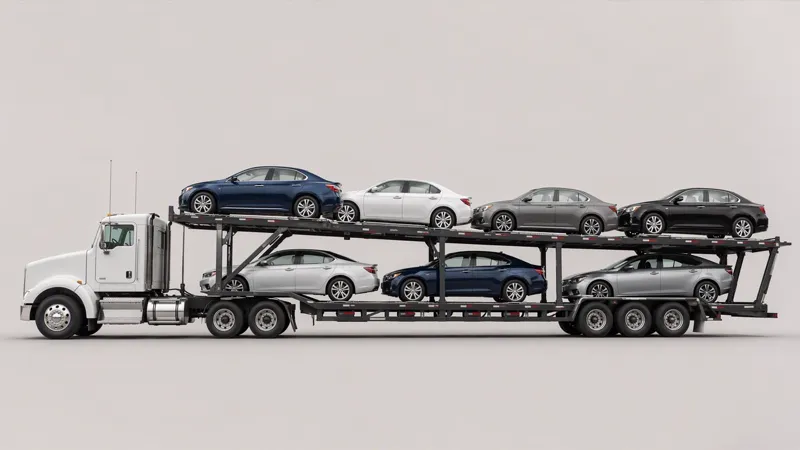
Car Hauler
Identifying Features
- An open two-level trailer carrying vehicles
- Cars visible on the upper and lower decks
- Loading and unloading happens at dealerships and auctions
Examination Topics
- How the carried vehicles were loaded and secured
- Height, weight, and overhang documentation
- Damage claims versus accident investigation are separate tracks
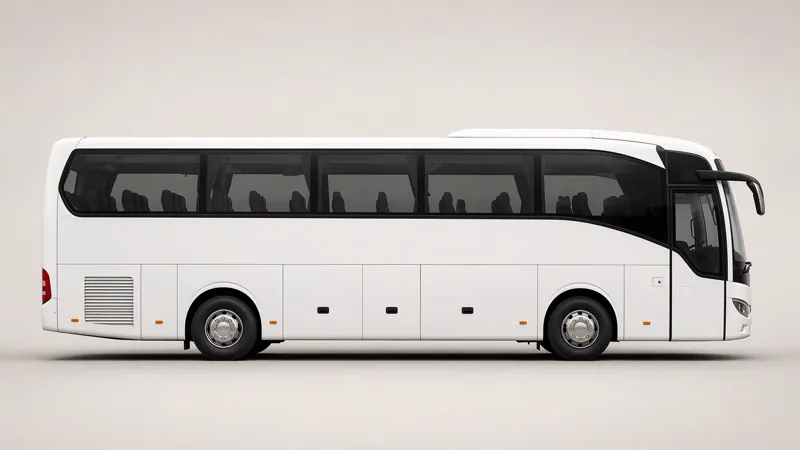
Bus
Identifying Features
- Large windows along the full length of the body
- School, transit, charter, and shuttle operations differ
- Passenger rules have their own federal branches
Examination Topics
- Passenger-carrier rules differ from the property-carrying baseline
- Driver qualification and hours rules follow passenger schedules
- Who operated the service: public agency, school, or private company
Unidentified Vehicles
A vehicle that fits none of the twelve types above, or one nobody saw clearly, can still be identified from markings and records.
Weight decides which rules reach a vehicle. Federal trucking rules start at 10,001 pounds for a vehicle used across state lines, and a truck rated or loaded at 26,001 pounds or more needs a driver with a commercial license.
Unlisted Vehicle
Identifying Features
- Not every commercial vehicle fits a common silhouette
- Emergency, utility, and specialty vehicles have their own body designs
- The name on the door and the accident report are better starting points than the shape
Examination Topics
- Photograph the vehicle and any company markings if it is safe to do so
- The accident report is a starting point for identifying the vehicle and the carrier
- Records can identify the vehicle even when you cannot
Unknown Vehicle Type
Identifying Features
- A clear look is hard to get when an accident happens fast
- A color, a logo, or a trailer shape may be enough to start
- Witnesses and camera footage may fill in the rest
Examination Topics
- The accident report identifies involved vehicles
- Nearby cameras may have captured the vehicle
- Carriers can be identified from USDOT markings and shipping records
More Trucking Accident Guides
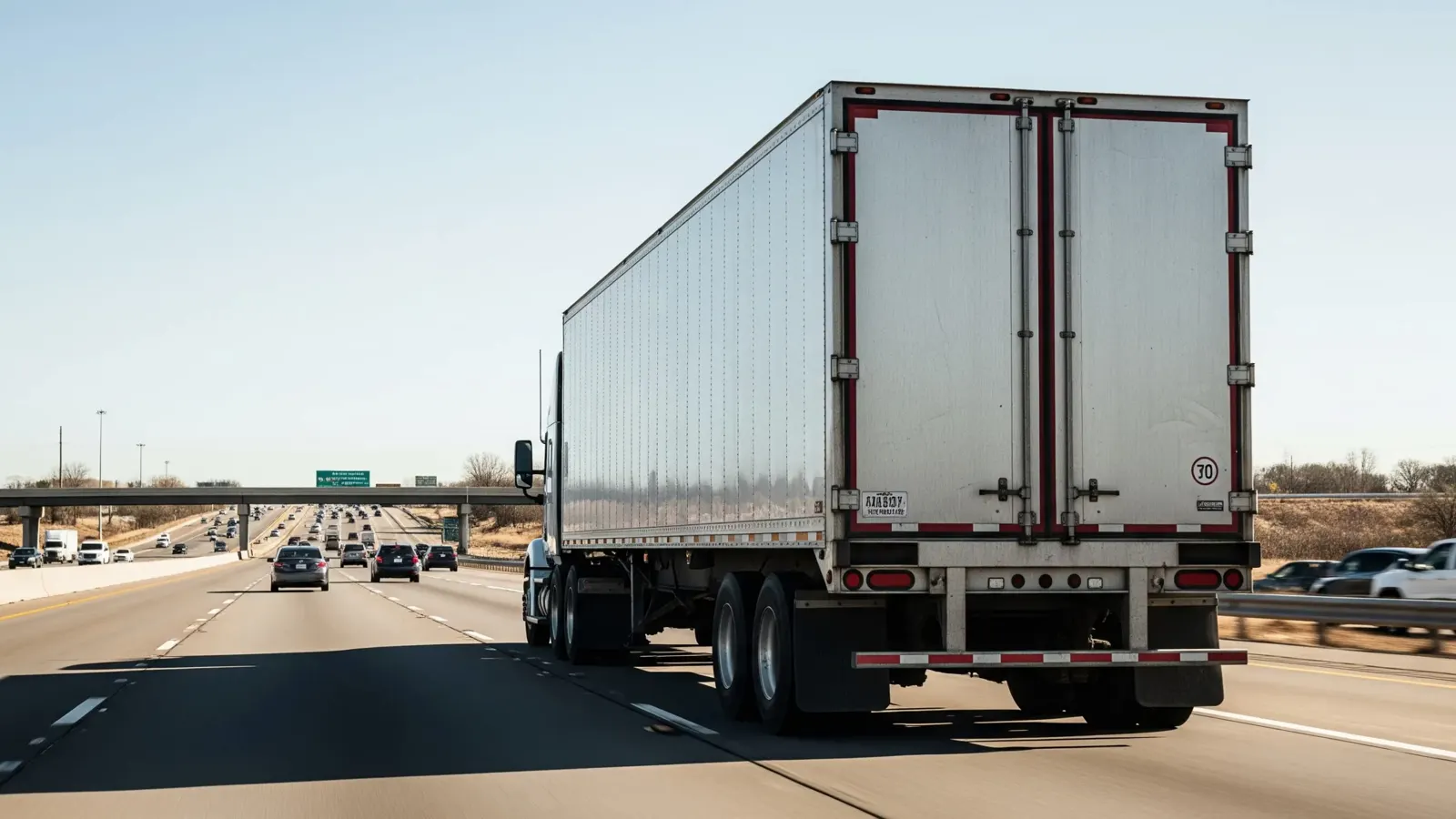
Federal Trucking Safety Regulations
Hours of service, driver qualification, maintenance, vehicle thresholds, FMCSA oversight, and record retention periods, with links to 49 CFR.

Commercial Truck Driver Fitness
Licensing, medical certification, background checks, and the fitness-to-drive rule in 49 CFR 392.3, with the records that show whether each was met.
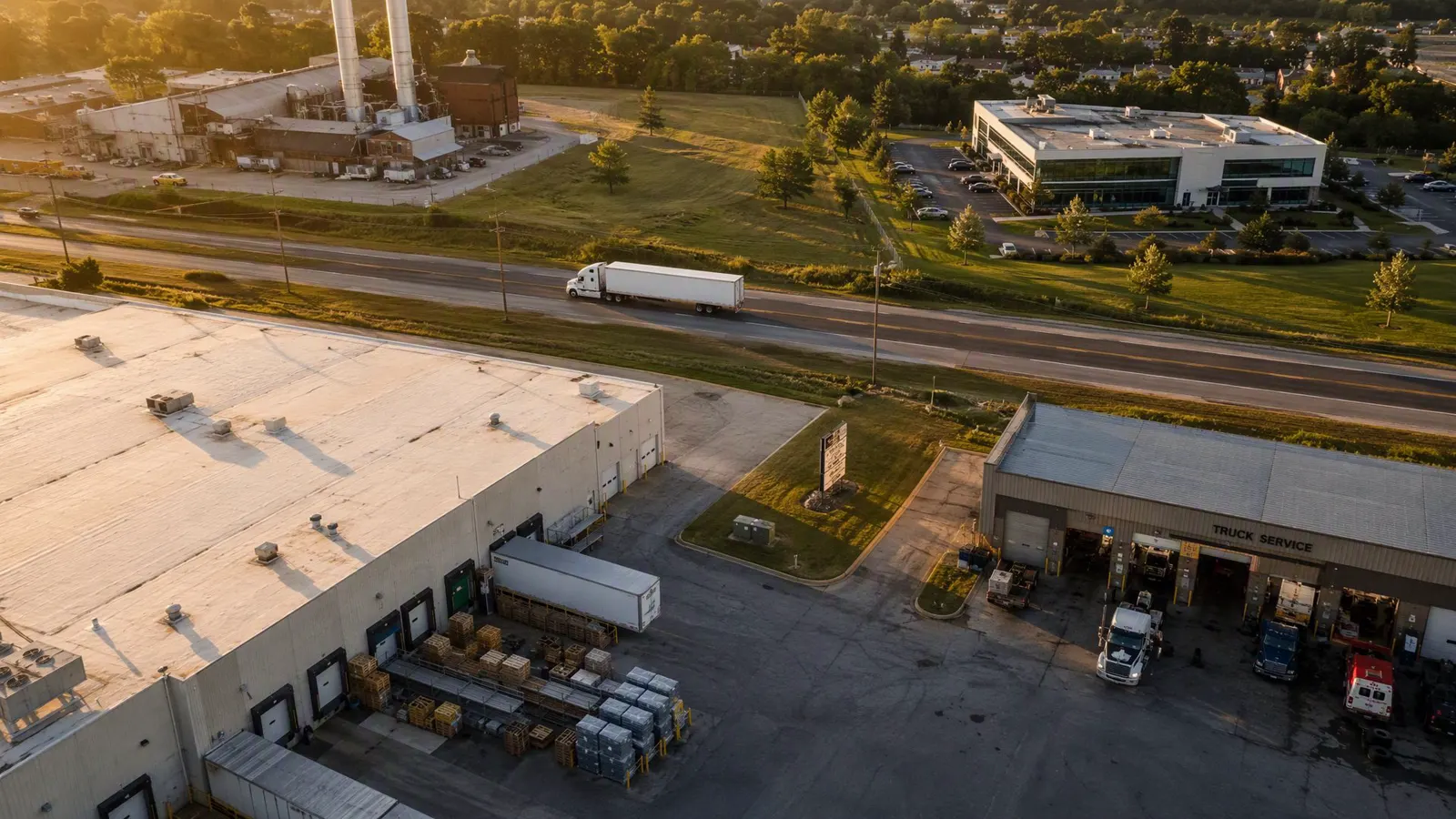
Possible Defendants in a Truck Accident Case
Ten roles a truck accident investigation can examine, the questions to answer about each, and the records each one keeps.
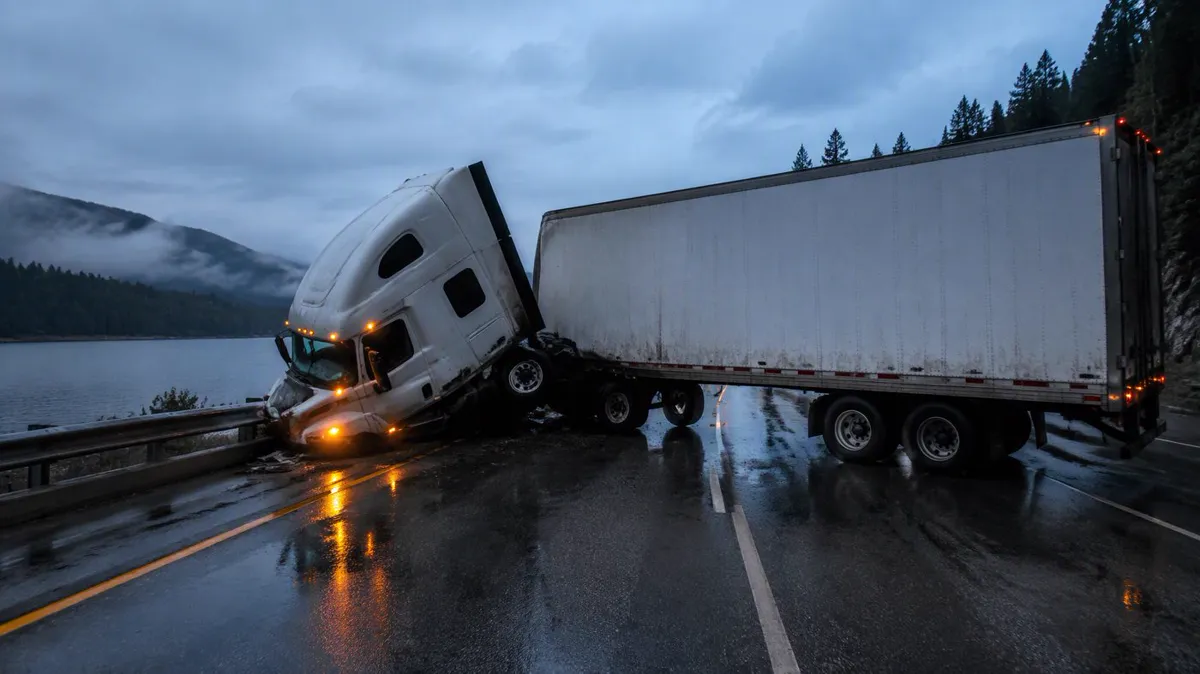
Truck Accident Investigations
Eight accident types, the questions a reconstruction asks about each, and what scene measurements, video, vehicle condition, and electronic records can show.
Injured in a Truck Accident?
Call us for a free case review.
Nothing on this page is legal advice, determines fault, or describes any real case. Illustrations are fictional and simulated.