
Hit by aWork Truck?
Our trucking team focuses exclusively on trucking and commercial vehicle cases.
Work Truck Accident Cases
Work trucks carry gravel, asphalt, wet concrete, and heavy machinery on the same roads as passenger cars. In a work truck accident, the people in the car absorb most of the force, and the load can become a second hazard when it spills, shifts, or comes loose.
A truck rated or loaded at 26,001 pounds or more needs a driver with a commercial license, and so does a truck pulling a trailer over 10,000 pounds in a combination of that weight. The rule applies whether the truck crosses state lines or stays in Kentucky.
Those drivers fall under federal drug and alcohol testing. The employer must test the driver after a fatal accident, and after an injury treated away from the scene or a tow-away when the driver is cited.
A property-carrying driver may drive 11 hours within a 14-hour window after 10 hours off duty. A driver who mainly hauls construction materials and equipment can start a new 7- or 8-day period after 24 hours off, where other drivers need 34.
A ready-mixed concrete driver can count time waiting at a job site toward the 30-minute break if the driver does no other work. A local driver who stays within 150 air miles and is released within 14 hours keeps no hours log, but the company keeps time records for six months.
Kentucky applies these rules to trucks that never leave the state. A truck of 26,000 pounds or less that stays in Kentucky is exempt from the federal medical and hours rules, unless it carries placarded hazardous materials.
A bulldozer or other machine of 10,000 pounds or more needs at least four tiedowns, with its attachments lowered and secured. In Kentucky, a load that can shift or spill has to be covered for any trip over one mile.
A motor carrier has to inspect, repair, and maintain every truck it controls, and keep those records for one year. A driver who finds a defect has to report it in writing at the end of the day, and the carrier has to fix any defect likely to affect safety before the truck runs again.
Responsibility can reach past the driver. The company that runs the truck answers for its own hiring, maintenance, and safety practices, and a contractor that hired the truck, the crew that loaded it, and a maintenance vendor can be part of a case when the facts point to them.
In Kentucky, a lawsuit over a motor vehicle accident must be filed within two years after the injury, the death, or the last no-fault payment, whichever is later. Time records, inspection reports, and test results can be gone long before then, so a preservation letter goes to the truck’s owner, its operator, and their insurers as early as possible.
Parties in a Work Truck Case
Each party keeps its own records of the job.
Truck Driver
The person driving the truck, and the time and inspection records from that day.
Operating Company
The company that owns or runs the truck and puts the driver on the road.
Hiring Contractor
The company that hired the truck for a job, and the contract that set the work.
Insurance Companies
The policies that cover the truck, its operator, and the contractor that hired it.
Records in a Work Truck Case
These records come from the truck’s operator, the job site, and the truck itself, and several of them can be lost within months.
- Driver Time Records
- Post-Accident Test Results
- Vehicle Inspection Reports
- Maintenance Records
- Load Tickets
- GPS Tracking Data
Trucking Case Results
Frequently Asked Questions
Does a dump truck driver need a commercial driver’s license?
Yes, when the truck is rated or loaded at 26,001 pounds or more, or pulls a trailer over 10,000 pounds in a combination of that weight. The rule is the same inside Kentucky and across state lines.
Is a work truck driver tested for drugs and alcohol after an accident?
After a fatal accident, the employer must test the driver, and after an injury or tow-away accident it must test when the driver is cited. If the alcohol test is not given within 8 hours, or the drug test within 32 hours, the employer stops trying and has to record why.
How long do I have to file a work truck accident lawsuit in Kentucky?
Two years after the injury or death, or after the last no-fault payment, whichever is later. Inspection reports only have to be kept three months, so evidence should be requested long before the deadline.
Our Trucking Attorneys

Jon Hollan
Jon is the lead partner. Lawyers nationwide consult him on Amazon delivery and FedEx Ground contractor cases, and he presents on trucking cases to attorney groups across the country.

Sam Aguiar
Sam is part of the Hollan & Aguiar trucking team, which focuses exclusively on trucking and commercial vehicle cases.
Other Commercial Vehicles
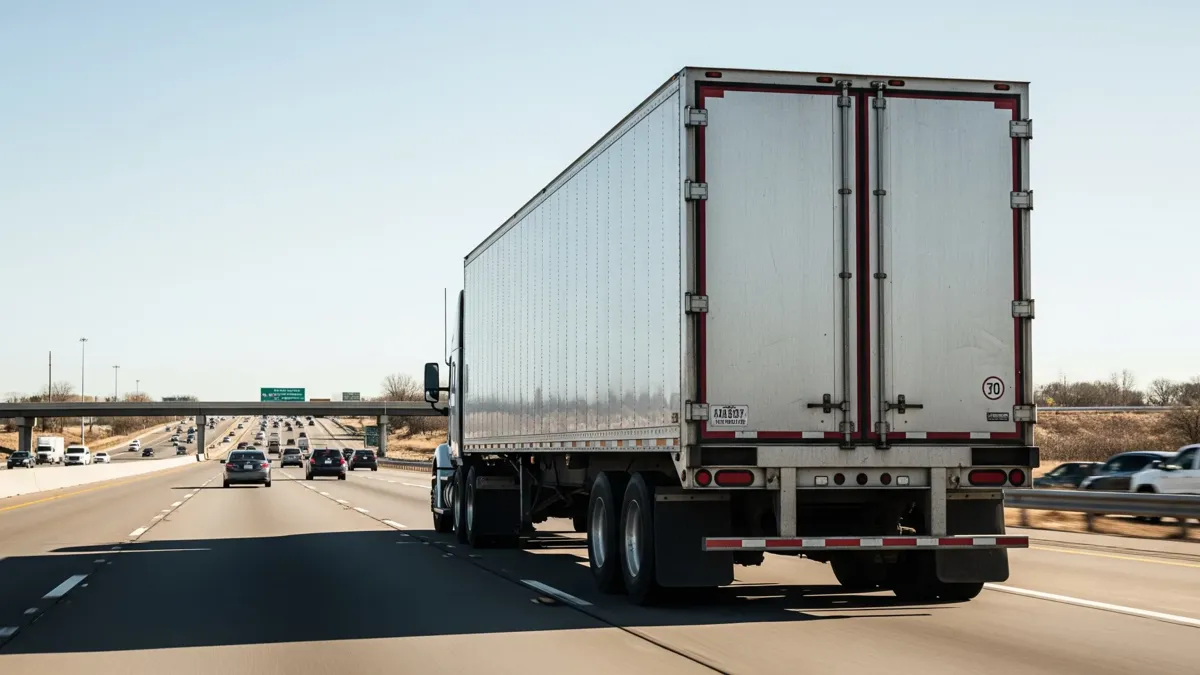
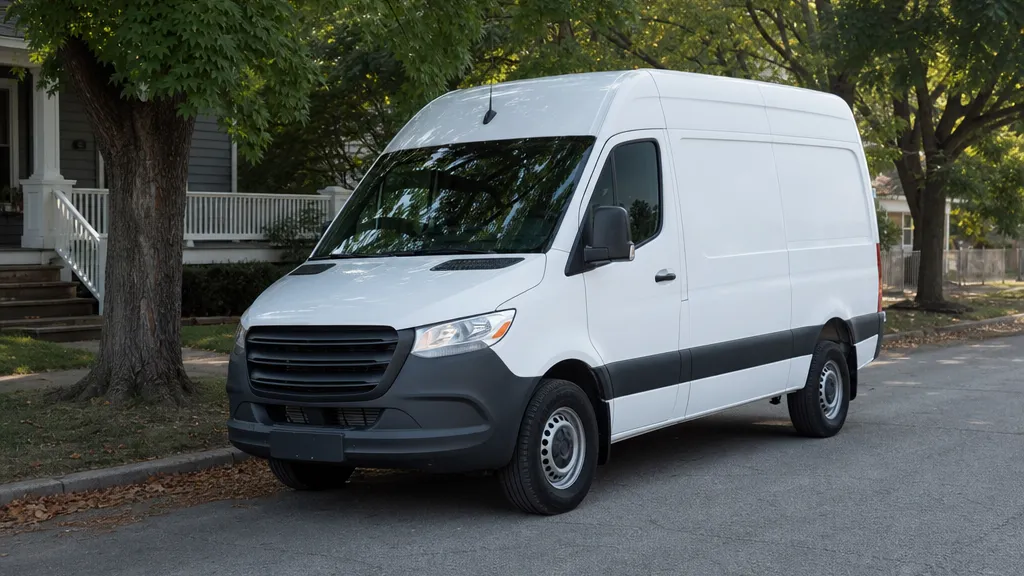
Tractor-trailers and delivery vans carry their own records and rules.
Attorney Referrals
Refer a trucking or commercial vehicle case to us, or bring us in as co-counsel.