
Hit by aDelivery Van?
Our trucking team focuses exclusively on trucking and commercial vehicle cases.
Delivery Vehicle Accident Cases
A delivery van spends its day on neighborhood streets, stopping, backing up, and pulling back into traffic. After a delivery vehicle accident with a car, a cyclist, or a person on foot, the first record to check is the van’s weight rating, because federal safety rules start at a set weight.
A van used across state lines becomes a commercial motor vehicle at 10,001 pounds, counting the greater of its weight rating or its actual weight. The rating is printed on a label by the driver’s door. Below that weight, and with no placarded hazardous materials, the federal hours, driver qualification, and maintenance rules do not apply.
Kentucky applies the same rules to vans that never leave the state. A truck of 26,000 pounds or less that stays in Kentucky is exempt from the federal medical and hours rules, unless it carries placarded hazardous materials.
When the federal rules apply, the driver must be medically certified, and the company keeps a qualification file with the driver’s application, driving record, road test, and medical certificate, and holds it for three years after the driver leaves.
A driver who does not need a commercial license, stays within 150 air miles, and returns to the same place each day can drive without an hours log. The company still has to keep time records for six months, and the driver may not drive past the 14th hour on duty, or the 16th hour on 2 days in any 7. Under the same rules, the company has to systematically inspect, repair, and maintain each van and keep those records for one year.
Responsibility can reach past the driver. A contract driver of a van over 10,000 pounds counts as the carrier’s employee under federal safety rules, and the company answers for its own hiring, training, and safety practices. Under Kentucky law a company’s label for its drivers does not settle the question, and Kentucky’s highest court has called the right to control the work “probably the most significant consideration”. A retailer or shipper that hired the delivery company can be part of a case when the facts point to it.
A for-hire carrier hauling general freight across state lines in a vehicle over 10,000 pounds must carry at least $750,000 in liability coverage. A van under that weight, or a business delivering its own goods, falls outside that minimum, and Kentucky’s floor is $25,000 per person, $50,000 per accident, and $25,000 for property damage, or $60,000 in single-limit coverage. The company’s actual policies are part of the first round of discovery.
Kentucky’s delivery network company law covers drivers who deliver through an app in their own cars, such as Amazon Flex drivers, and it sets the insurance those drivers must carry.
Kentucky bars drivers from texting while the vehicle is moving, and commercial drivers may not use a hand-held phone while driving. A delivery driver’s phone, scanner, and route app can show what the driver was doing, so those records are requested early.
In Kentucky, a lawsuit over a motor vehicle accident must be filed within two years after the injury, the death, or the last no-fault payment, whichever is later. Phone data, telematics, and time records can be gone long before then, so a preservation letter goes to the delivery company and its insurers as early as possible. When more than one party is at fault, a Kentucky jury assigns each a percentage of the fault, including the injured person, and each defendant pays its share.
Parties in a Delivery Van Case
Each party keeps its own records of the route.
Van Driver
The person driving the van, and the phone and scanner used on the route.
Delivery Company
The company that put the driver and the van on the route.
Shipper
The business whose packages were on the van, and its contract with the delivery company.
Insurance Companies
The policies that cover the van, the driver, and the delivery company.
Records in a Delivery Van Case
These records come from the driver, the delivery company, and the van itself, and several of them can be lost within months.
- Telematics Data
- Route Assignments
- Package Scan Records
- Driver Time Records
- Phone Records
- Maintenance Records
Trucking Case Results
Frequently Asked Questions
Do federal trucking rules apply to a delivery van?
They apply once a van used across state lines reaches 10,001 pounds by weight rating or actual weight, or carries placarded hazardous materials. Kentucky applies the same rules inside the state, with an exemption from the medical and hours rules for trucks of 26,000 pounds or less.
How much insurance does a delivery company have to carry?
At least $750,000 for a for-hire carrier hauling freight across state lines in a vehicle over 10,000 pounds. Below that weight, or for a business delivering its own goods, Kentucky’s minimum applies: $25,000 per person, $50,000 per accident, and $25,000 for property damage. The company’s actual policies are requested in discovery.
How long do I have to file a delivery van accident lawsuit in Kentucky?
Two years after the injury or death, or after the last no-fault payment, whichever is later. A local driver’s time records only have to be kept six months, so evidence should be requested long before the deadline.
Our Trucking Attorneys

Jon Hollan
Jon is the lead partner. Lawyers nationwide consult him on Amazon delivery and FedEx Ground contractor cases, and he presents on trucking cases to attorney groups across the country.

Sam Aguiar
Sam is part of the Hollan & Aguiar trucking team, which focuses exclusively on trucking and commercial vehicle cases.
Other Commercial Vehicles
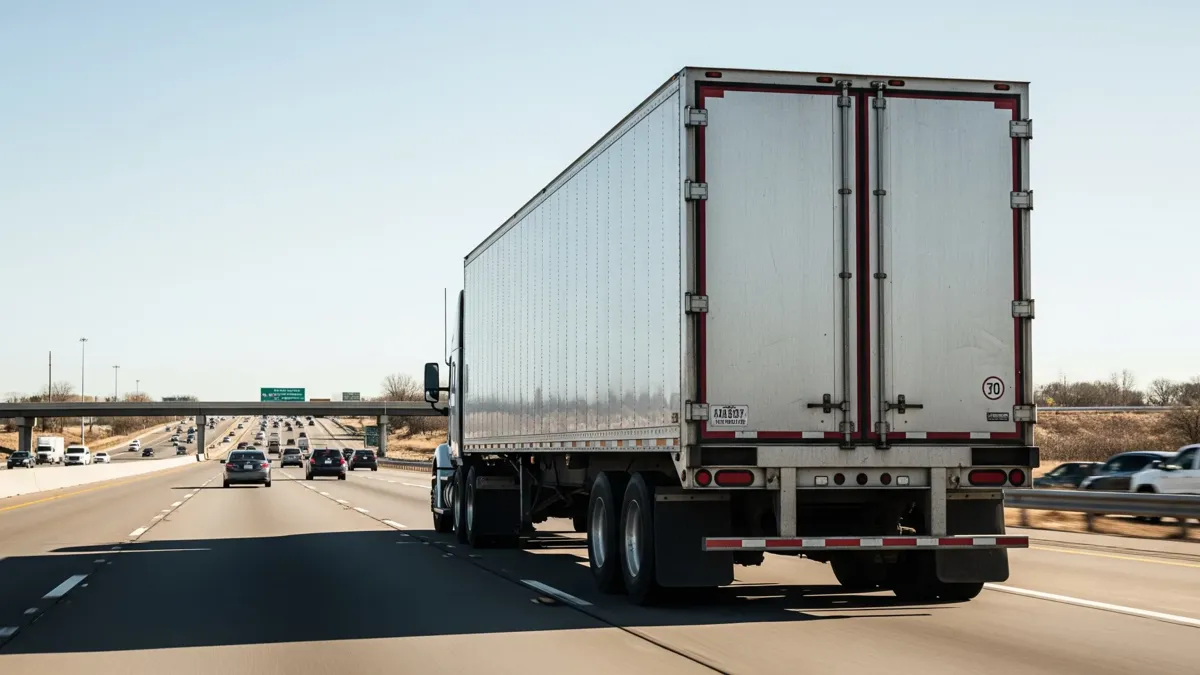
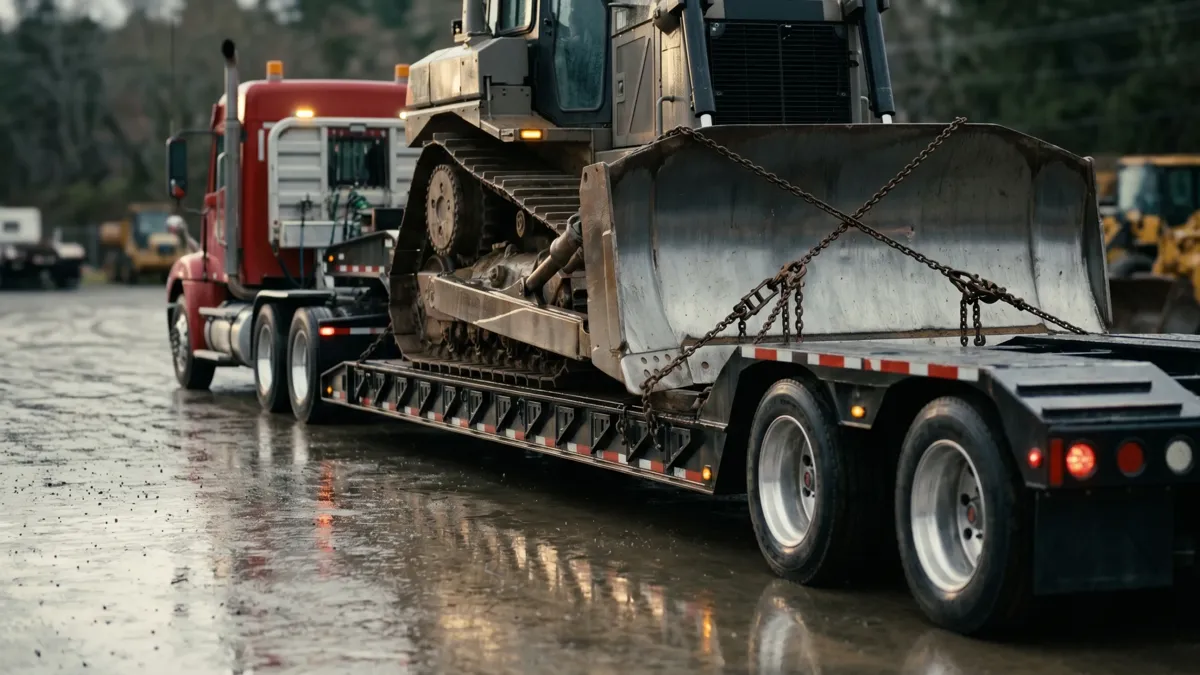
Tractor-trailers and work trucks carry their own records and rules.
Attorney Referrals
Refer a trucking or commercial vehicle case to us, or bring us in as co-counsel.