
Hit by aTractor-Trailer?
Our trucking team focuses exclusively on trucking and commercial vehicle cases.
Tractor-Trailer Accident Cases
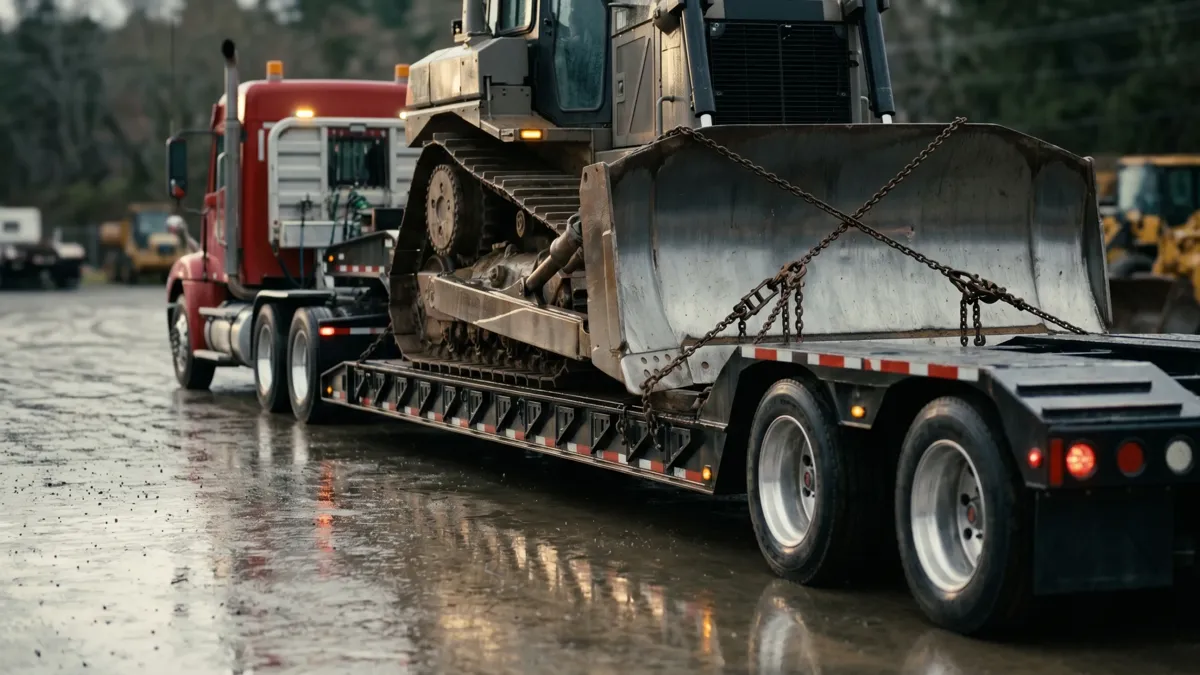
A loaded tractor-trailer can weigh up to 80,000 pounds on the Interstate System, and a passenger car is a small fraction of that. In a tractor-trailer accident, the car and the people in it absorb most of the force, and the injuries can be permanent: brain injuries, spinal injuries, amputations, and deaths.
A tractor-trailer case is also a records case, and the records do not last. A motor carrier has to keep a driver’s records of duty status and supporting documents for six months. Inspection, repair, and maintenance records have to be kept for one year, and for six months after the truck leaves the carrier’s control.
Those records show whether the driver was within the federal hours limits and whether the truck was fit to be on the road. A property-carrying driver may drive 11 hours within a 14-hour window after 10 hours off duty, and needs a 30-minute break after 8 hours of driving.
Trucking companies carry more insurance than drivers of passenger cars because federal law requires it. A for-hire carrier hauling general freight in a truck over 10,000 pounds must carry at least $750,000 in liability coverage, with $1,000,000 for oil and $5,000,000 for certain hazardous materials in bulk. Those figures are minimums. The carrier’s actual policies, any excess coverage, and a freight broker’s contingent coverage are part of the first round of discovery.
Responsibility can reach past the driver. The motor carrier answers for its driver and its own safety practices, and since the Supreme Court’s unanimous 2026 decision in Montgomery v. Caribe Transport II, a freight broker that hired an unsafe carrier can face a negligence claim as well. Shippers and loaders, maintenance vendors, and manufacturers can be part of a case when the facts point to them.
In Kentucky, a lawsuit over a motor vehicle accident must be filed within two years after the injury, the death, or the last no-fault benefit payment, whichever is later. The federal record periods are shorter than that, so a preservation letter goes to the carrier, the broker, and their insurers as early as possible.
Parties in a Tractor-Trailer Case
Each party keeps its own records of the trip.
Truck Driver
The person driving the tractor-trailer, and the logs from that trip.
Motor Carrier
The company that operates the truck and puts the driver on the road.
Freight Broker
The company that may have arranged the load and chosen the motor carrier.
Insurance Companies
The policies that cover the motor carrier, and the broker’s policy when it has one.
Records in a Tractor-Trailer Case
These records come from the motor carrier, the broker, and the truck itself, and several of them can be lost within months.
- Electronic Logging Device Data
- GPS Tracking Data
- Rate Confirmations
- Carrier Vetting Records
- Dispatch Messages
- Bills of Lading
Trucking Case Results
Frequently Asked Questions
How long do I have to file a truck accident lawsuit in Kentucky?
Two years after the injury or death, or after the last no-fault (basic or added reparation) payment, whichever is later. Federal record periods run shorter: a carrier only has to keep a driver’s hours records for six months, so evidence should be requested long before the filing deadline.
How much insurance does a trucking company have to carry?
Federal minimums are $750,000 for for-hire carriers hauling nonhazardous freight in trucks over 10,000 pounds, $1,000,000 for oil, and $5,000,000 for certain hazardous materials in bulk. Those are floors. The carrier’s actual policies, any excess coverage, and a broker’s contingent policy are requested in discovery.
Can the company that arranged the load be held responsible?
It can. The Supreme Court held unanimously in 2026 that federal law does not preempt a negligence claim against a freight broker that hired an unsafe carrier. The injured person still has to prove that the broker failed to use reasonable care in choosing the carrier and that the failure caused the accident.
Our Trucking Attorneys

Jon Hollan
Jon is the lead partner. Lawyers nationwide consult him on Amazon delivery and FedEx Ground contractor cases, and he presents on trucking cases to attorney groups across the country.

Sam Aguiar
Sam is part of the Hollan & Aguiar trucking team, which focuses exclusively on trucking and commercial vehicle cases.
Other Commercial Vehicles
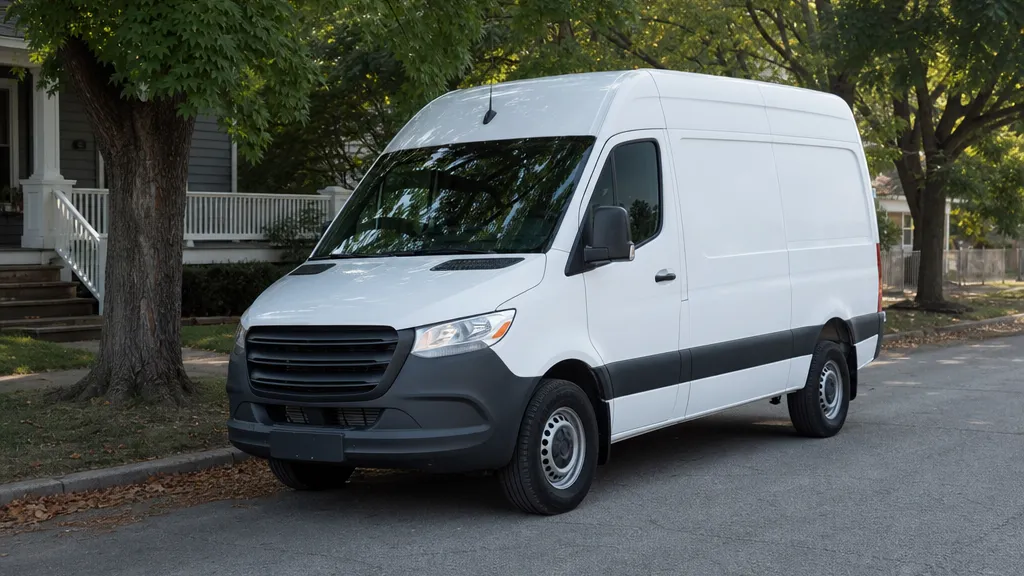
Delivery vans and work trucks carry their own records and rules.
Attorney Referrals
Refer a trucking or commercial vehicle case to us, or bring us in as co-counsel.